
- Why Asking the Right Questions Matters Before Marriage
- 15 Questions to Ask Before Accepting a Marriage Proposal
- Already reviewing a proposal and want a second opinion?
- How Ideal Marriage Bureau Helps Families Evaluate Proposals
- Frequently Asked Questions
- Conclusion
- Start Your Rishta Journey With a Bureau That Checks Its Work
A marriage proposal usually arrives with a lot of excitement and very little time to think. Photos look good. The family sounds respectable. Everyone in the room is smiling. And somewhere in that warmth, the hard questions quietly get skipped.
That’s how good decisions turn into regretted ones. Before you accept a marriage proposal, you need answers, not just impressions. This guide covers 15 practical questions to ask before accepting a marriage proposal, based on what actually matters during the rishta process: verification, compatibility, and family readiness.
In short: before saying yes, confirm the person’s identity and background, check that your values and lifestyle expectations line up, and make sure both families have had an honest conversation. Skip any one of these, and you’re deciding on hope instead of information.
Why Asking the Right Questions Matters Before Marriage
Marriage in Pakistan is still, largely, a family decision. That’s not a bad thing. But it does mean the pressure to say yes quickly is real, especially when relatives are involved and a “good match” feels rare.
The problem is that rushed decisions and informed decisions look identical from the outside. Only one of them holds up two years later.
| Rushed Decision | Informed Decision |
|---|---|
| Based on first impression and family pressure | Based on verified details and direct conversation |
| Assumes compatibility because “the family seems nice” | Confirms compatibility through specific questions |
| Skips verification to avoid awkwardness | Treats verification as normal, not offensive |
| Regret shows up after the wedding | Concerns get addressed before the wedding |
Online fraud has made this more urgent, not less. Pakistan’s cybercrime authorities have prosecuted cases involving fake identities built specifically to lure people into marriage, including a case reported by Dawn where a suspect ran multiple fake profiles under Pakistan’s Prevention of Electronic Crimes Act. Separately, Dawn has also reported on safety incidents tied to unverified matchmaking contacts. None of this means every proposal is suspicious. It means verification isn’t paranoia. It’s basic due diligence, the same way you’d check a used car’s history before buying it.
15 Questions to Ask Before Accepting a Marriage Proposal

1. Has the Proposal Been Verified?
Start here, always. A verified proposal means the person’s identity, family details, and background have been confirmed through documentation, not just conversation. If a matchmaker or platform can’t explain how they verify a profile, that’s your first red flag. Our own marriage bureau verification process breaks down exactly what gets checked before a profile is shown to a family.
2. Is the CNIC or Identity Document Genuine?
Every adult Pakistani citizen holds a CNIC issued by NADRA, and it’s the backbone of identity verification in the country. NADRA offers an SMS and online verification service that confirms whether a CNIC number matches the name it’s claimed under. Asking to confirm this isn’t rude. It takes minutes and protects everyone involved.
3. Is the Employment or Career Information Confirmed?
A stated job title means little without confirmation. Ask where the person works, for how long, and whether that can be verified through a colleague, an employer letter, or a LinkedIn profile that actually matches the story. Career stability affects far more than income. It affects how the next ten years look.
4. Has the Education Background Been Verified?
Degrees get exaggerated more often than families admit. A quick way to check: ask for the institution name and graduation year, and see if the details hold up under a simple conversation. Genuine credentials never fall apart under a few honest questions.
5. What Do Reference Checks Reveal About the Family?
Reputation isn’t gossip when it comes from people who actually know the family. Speak to relatives, neighbors, or mutual contacts who can speak honestly. A family with nothing to hide usually welcomes this. A family that discourages it is telling you something too.
6. Are There Any Fake Profile Warning Signs?
Watch for reluctance to meet in person, inconsistent details between conversations, pressure to decide quickly, or requests to keep the relationship secret from your own family. Genuine proposals don’t need secrecy. They need time and honesty, not urgency.
7. Do Your Family Values Align?
This one sounds obvious until it isn’t. Ask directly about how each family views roles, respect, decision-making, and involvement in each other’s lives after marriage. Vague answers here tend to become real disagreements later.
8. Is There Religious Compatibility?
Shared or compatible religious practice affects daily life more than most people expect, from routines to raising children. Discuss this plainly rather than assuming it will “work itself out.”
9. Is There Cultural Compatibility?
Language, traditions, and regional customs shape a household in quiet but constant ways. Two good people from very different cultural backgrounds can absolutely make it work, but only if they’ve actually talked about the differences first.
10. Do Your Lifestyle Expectations Match?
Ask about daily routines, whether the couple will live independently or with extended family, and how household responsibilities get divided. These are practical questions, not romantic ones, and that’s exactly why they matter.
11. Are Your Career Goals Compatible?
If one partner plans to keep working after marriage, that needs to be discussed and agreed upon before the wedding, not negotiated after it. Assuming agreement here is one of the most common sources of post-marriage conflict.
12. Have You Discussed Financial Expectations?
Talk openly about household finances, expectations around expenses, and financial transparency going forward. Money conversations feel awkward before marriage and far more awkward after it, so have them early.
13. Have You Discussed Future Plans Together?
Children, where you’ll live, career trajectories, long-term goals: these deserve a real conversation, not an assumption that “we’ll figure it out.” Couples who align early on direction tend to argue less about it later.
14. How Do You Both Handle Communication and Conflict?
You won’t know someone’s true communication style from a few short meetings, but you can ask about it directly. How do they handle disagreement? Do they shut down, get defensive, or talk it through? This question tells you more than almost any other on this list.
15. Has a Proper Family Meeting Taken Place?
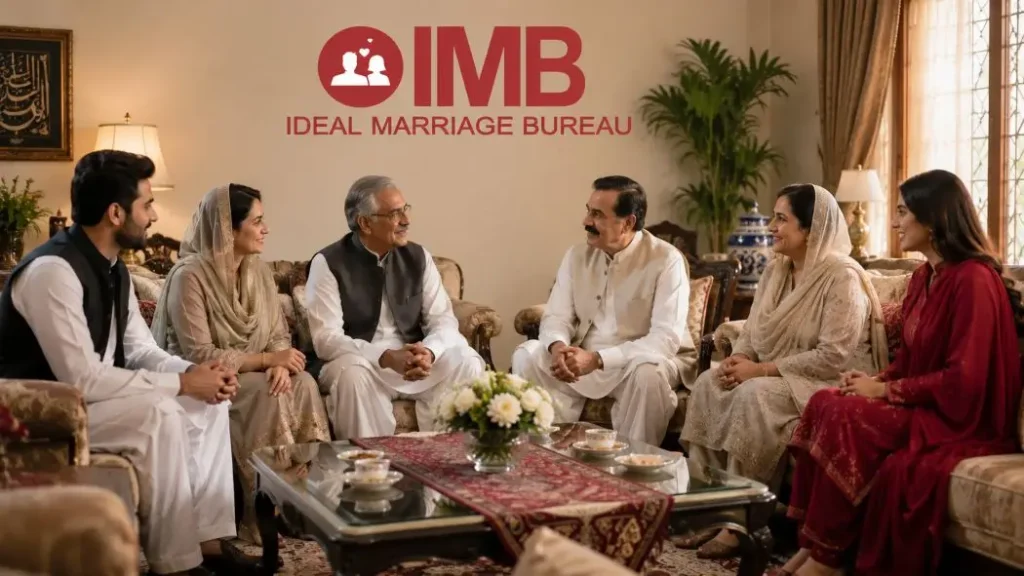
A structured meeting between both families, not just a brief introduction, gives everyone a chance to ask questions and observe how the other family communicates. It’s also simply the most reliable way to catch inconsistencies before they become problems. Our guide on the rishta process step by step covers where this fits into a well-run proposal timeline.
16. Is the Family Genuinely Ready to Decide?
Last question, and arguably the most honest one: is this decision coming from clarity, or from pressure? Feeling rushed, uncertain, or unable to ask basic questions is a sign to slow down, regardless of how good the proposal looks on paper.
Already reviewing a proposal and want a second opinion?
Browse verified rishta profiles or see how our matchmaking services work before you make a final decision.
How Ideal Marriage Bureau Helps Families Evaluate Proposals
This is exactly the gap Ideal Marriage Bureau exists to close. Rather than leaving families to verify a proposal on their own, with no clear starting point, we build verification into the process from the beginning.
Every profile goes through identity and background checks before it ever reaches a family, covering the kind of details this article just walked through: identity documents, education, and employment history. You can see the full breakdown in our guide to verifying marriage proposals safely.
We also keep matchmaking personalised and confidential, so families get proposals that actually fit their preferences instead of a generic list. If you’re comparing costs across matchmaking options, our fees and packages guide explains what’s included at each level, and our overview of marriage bureau services lays out how the whole process fits together.
Frequently Asked Questions
What questions should you ask before accepting a marriage proposal?
Focus on three areas: verification (identity, education, employment), compatibility (values, lifestyle, finances), and family readiness (has everyone met properly, and is the decision coming from clarity rather than pressure).
How do you evaluate a marriage proposal?
Evaluate it in stages: verify the basic facts first, then discuss compatibility directly with the other family, and finally hold a proper family meeting before making a final decision.
What should be verified before accepting a rishta?
At minimum, confirm CNIC and identity details, education credentials, employment history, and family background through references. These four checks catch most red flags early.
How can families avoid fake marriage proposals?
Watch for reluctance to meet in person, pressure to decide quickly, requests for secrecy, and inconsistent details between conversations. Working with a verified matchmaking service also reduces this risk significantly.
How does Ideal Marriage Bureau help families evaluate proposals?
We verify identity, education, and employment details before a profile reaches a family, and we support the process with personalised matchmaking so families aren’t evaluating proposals blind.
Conclusion
Accepting a marriage proposal is one decision you don’t get to take back easily. Asking these 15 questions before accepting a marriage proposal won’t slow things down for the right reasons. It protects you from the wrong ones.
If a proposal holds up after honest verification and open conversation, you’re in a genuinely good position. If it doesn’t, you’ve just avoided a much harder conversation later.
Start Your Rishta Journey With a Bureau That Checks Its Work
Speak with our team about available proposals and how the verification process applies to your profile from day one.